
Table of Contents
- What Is Tirzepatide?
- How Does Tirzepatide Work?
- Understanding GIP and GLP-1
- Approved Uses of Tirzepatide
- Potential Benefits
- Clinical Research
- Who May Be a Candidate?
- Lifestyle Considerations
- Frequently Asked Questions
- Final Thoughts
What Is Tirzepatide?
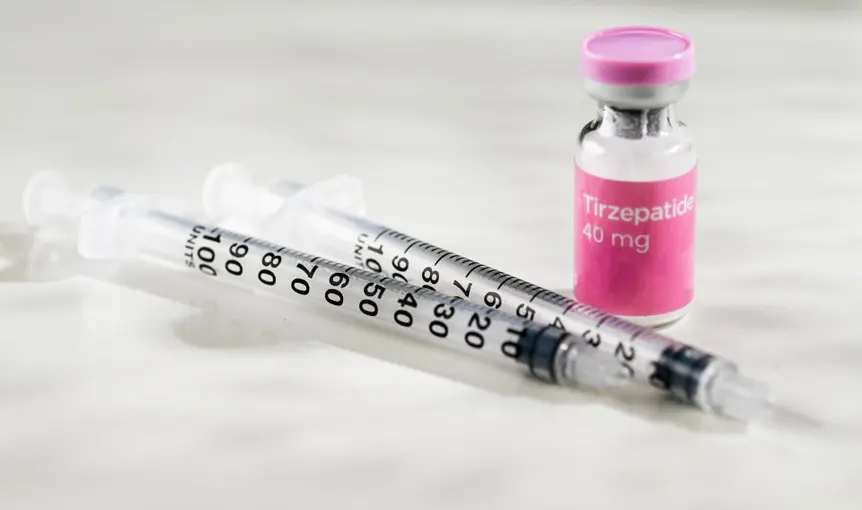
Tirzepatide is a prescription medication used to improve blood glucose control in adults with type 2 diabetes and, in some countries, for chronic weight management in eligible adults. It belongs to a newer class of medicines known as dual GIP and GLP-1 receptor agonists, making it the first widely available therapy to target both of these naturally occurring incretin hormone pathways.
Unlike traditional GLP-1 receptor agonists that work on a single hormone receptor, Tirzepatide activates both:
- Glucose-dependent insulinotropic polypeptide (GIP) receptors
- Glucagon-like peptide-1 (GLP-1) receptors
These hormones are released naturally after eating and play important roles in regulating appetite, insulin secretion, blood sugar levels, and energy balance.
The development of Tirzepatide represents a significant advance in the treatment of obesity and type 2 diabetes because it addresses multiple aspects of metabolic regulation simultaneously.
How Does Tirzepatide Work?
After eating, your digestive system releases hormones called incretins. These hormones communicate with organs throughout the body to help regulate blood sugar and appetite.
Tirzepatide mimics two of these hormones.
GLP-1 Activity
Activation of the GLP-1 receptor helps:
- Stimulate insulin release when blood glucose is elevated.
- Reduce glucagon secretion.
- Slow gastric emptying.
- Increase feelings of fullness.
- Reduce calorie intake.
GIP Activity
Activation of the GIP receptor appears to:
- Enhance insulin secretion in response to meals.
- Improve insulin sensitivity.
- Influence energy metabolism.
- Work synergistically with GLP-1 receptor activation.
Together, these effects contribute to improved glycaemic control and can support weight reduction when combined with lifestyle modifications.
Understanding GIP and GLP-1
What Is GLP-1?
GLP-1 is a hormone produced in the small intestine after food is consumed. It acts as a messenger between the digestive system and several organs involved in metabolism.
Its primary functions include:
- Helping regulate blood glucose.
- Supporting insulin production.
- Promoting satiety.
- Slowing stomach emptying.
GLP-1 receptor agonists have been used for several years to treat type 2 diabetes and obesity.
What Is GIP?
GIP is another naturally occurring incretin hormone released after meals.
Researchers believe GIP contributes to:
- Enhanced insulin release.
- Glucose regulation.
- Energy balance.
- Fat metabolism.
While GIP alone showed mixed results in earlier research, combining GIP receptor activation with GLP-1 receptor activation has demonstrated improved metabolic outcomes in clinical studies.
Approved Uses of Tirzepatide
Tirzepatide is approved in various countries for specific medical indications. Regulatory approvals differ by jurisdiction, so local prescribing information should always be consulted.
Depending on the formulation and country, approved uses may include:
- Improving blood glucose control in adults with type 2 diabetes.
- Chronic weight management in eligible adults alongside a reduced-calorie diet and increased physical activity.
It is not intended for people with type 1 diabetes and should only be used under the supervision of a qualified healthcare professional.
Potential Benefits
Clinical studies have shown that Tirzepatide may provide several benefits for appropriate patients when combined with healthy lifestyle changes.
These may include:
Improved Blood Sugar Control
Tirzepatide has demonstrated significant reductions in HbA1c, an important measure of long-term blood glucose control.
Weight Reduction
Many participants in clinical trials experienced substantial reductions in body weight over time when using Tirzepatide alongside dietary and physical activity interventions.
Reduced Appetite
By increasing satiety and slowing gastric emptying, Tirzepatide can help many individuals reduce overall calorie intake.
Improved Metabolic Health
Researchers have observed improvements in several markers associated with metabolic health, including measures related to insulin sensitivity and waist circumference.
Individual responses vary, and treatment outcomes depend on factors such as adherence, lifestyle habits, and underlying health conditions.
What Does the Clinical Research Show?
Large clinical trial programmes have evaluated Tirzepatide in adults with type 2 diabetes and obesity.
Across these studies, investigators observed:
- Significant improvements in blood glucose control.
- Clinically meaningful weight reduction in many participants.
- Improvements in several cardiometabolic risk markers.
- A safety profile generally consistent with other medicines in the incretin class, with gastrointestinal symptoms being the most commonly reported side effects.
Research into Tirzepatide and related therapies continues, with ongoing studies exploring long-term outcomes and additional potential applications.
Who May Be a Candidate?
A healthcare professional may consider Tirzepatide for adults who meet the approved indications in their country.
Assessment typically includes:
- Medical history.
- Current medications.
- Weight and body mass index (BMI).
- Blood glucose control.
- Cardiovascular risk factors.
- Kidney and liver function where appropriate.
Treatment decisions should always be individualised and made in consultation with a qualified clinician.
Healthy Lifestyle Still Matters
Although Tirzepatide can be an effective treatment for appropriate patients, it is intended to complement—not replace—healthy lifestyle habits.
These include:
- Eating a balanced, nutrient-rich diet.
- Engaging in regular physical activity.
- Getting sufficient sleep.
- Managing stress.
- Attending regular medical follow-up appointments.
Long-term success is generally greatest when medication is combined with sustainable lifestyle changes rather than relied upon as a standalone solution.
Potential Side Effects of Tirzepatide
Like all prescription medications, Tirzepatide can cause side effects. Not everyone experiences them, and many people find that mild gastrointestinal symptoms improve over time as the body adjusts to treatment.
Common Side Effects
The most frequently reported side effects include:
- Nausea
- Vomiting
- Diarrhoea
- Constipation
- Stomach discomfort
- Indigestion
- Decreased appetite
These symptoms are often most noticeable when treatment is first started or after a dose increase.
Less Common but Important Risks
Although uncommon, more serious adverse effects have been reported and require prompt medical attention. These include:
- Signs of pancreatitis, such as severe abdominal pain that may radiate to the back.
- Gallbladder problems, including gallstones.
- Severe dehydration resulting from prolonged vomiting or diarrhoea.
- Allergic reactions, such as swelling of the face, lips, tongue or throat, or difficulty breathing.
Anyone experiencing severe or persistent symptoms should seek medical advice immediately.
Who Should Not Use Tirzepatide?
Tirzepatide is not appropriate for everyone.
A healthcare professional will consider your medical history before prescribing it. Depending on local prescribing guidance, it may not be suitable for people with certain medical conditions or risk factors.
Always inform your healthcare provider about:
- Previous pancreatitis.
- Kidney or liver disease.
- Gallbladder disease.
- Current medications and supplements.
- Pregnancy or plans to become pregnant.
- Breastfeeding.
Only a qualified healthcare professional can determine whether Tirzepatide is appropriate for your individual circumstances.
Tirzepatide Compared with Other Treatments
Tirzepatide vs Semaglutide
Both medications are used in the management of type 2 diabetes, and some formulations are also approved for chronic weight management.
The main difference is their mechanism of action.
Semaglutide activates the GLP-1 receptor.
Tirzepatide activates both the GIP and GLP-1 receptors.
Clinical trials have shown that Tirzepatide produced greater average reductions in HbA1c and body weight than Semaglutide in some study populations. However, the most appropriate medication depends on an individual’s health status, treatment goals, and medical history.
Tirzepatide vs Lifestyle Changes
Lifestyle measures remain the cornerstone of long-term health.
Healthy nutrition, regular physical activity, adequate sleep, and stress management are recommended whether or not medication is prescribed.
Medication is intended to support—not replace—these habits.
Practical Tips for Patients
If you have been prescribed Tirzepatide, your healthcare team may recommend:
- Taking the medication exactly as prescribed.
- Keeping scheduled follow-up appointments.
- Monitoring any side effects and reporting concerns.
- Staying well hydrated, especially if experiencing gastrointestinal symptoms.
- Maintaining a balanced eating pattern with adequate protein, fibre, fruits and vegetables.
- Remaining physically active according to your ability and healthcare provider’s advice.
Consistent communication with your healthcare team is an important part of safe and effective treatment.
Frequently Asked Questions
How often is Tirzepatide taken?
Approved Tirzepatide products are generally administered as a once-weekly subcutaneous injection, according to the prescribing information and healthcare provider’s instructions.
How quickly does Tirzepatide work?
Some people notice reduced appetite within the first few weeks. Improvements in blood glucose and body weight typically develop gradually over a longer period, particularly when combined with healthy lifestyle changes.
Does Tirzepatide cure diabetes?
No. Tirzepatide helps manage blood glucose levels but is not considered a cure for type 2 diabetes. Ongoing medical care and lifestyle management remain important.
Can Tirzepatide be used without changing diet or exercise?
Healthy eating and regular physical activity are recommended alongside Tirzepatide treatment. Lifestyle changes remain an important part of improving metabolic health and achieving long-term outcomes.
What should I do if I experience side effects?
Mild gastrointestinal symptoms often improve with time. However, persistent, severe, or concerning symptoms should be discussed with your healthcare provider promptly.
Is Tirzepatide suitable for everyone who wants to lose weight?
No. Tirzepatide is a prescription medication and is not appropriate for everyone. Eligibility depends on an individual’s health status, medical history, and the approved indications in their country.
Can Tirzepatide be used long term?
Some individuals may use Tirzepatide as part of a long-term treatment plan under medical supervision. The duration of therapy should always be determined by a qualified healthcare professional.
What lifestyle habits should accompany treatment?
The greatest health benefits are generally achieved by combining treatment with:
- A balanced, nutrient-rich diet.
- Regular physical activity.
- Adequate sleep.
- Good hydration.
- Ongoing medical follow-up.
Key Takeaways
Tirzepatide represents an important advancement in the treatment of type 2 diabetes and chronic weight management. Its dual action on GIP and GLP-1 receptors distinguishes it from earlier therapies and has demonstrated meaningful benefits in clinical studies for many appropriate patients.
As with any prescription medication, treatment should be individualised, carefully monitored, and used alongside healthy lifestyle habits. Decisions about whether Tirzepatide is appropriate should always be made in partnership with a qualified healthcare professional.
References
For readers interested in learning more, the following evidence-based resources provide detailed information:
- National Center for Biotechnology Information (NCBI): https://www.ncbi.nlm.nih.gov/books/NBK585056/
- PubMed: https://pubmed.ncbi.nlm.nih.gov/?term=tirzepatide
- American Diabetes Association: https://diabetes.org
Related Articles
If you’d like to learn more about metabolic health and related therapies, you may also be interested in:
- Semaglutide
- Weight Management
- Retatrutide-weight-loss-guide-
- Healthy Nutrition
- Physical Activity
- Understanding GLP-1 Medications
- Metabolic Health
- Obesity
Final Thoughts
Advances in metabolic medicine continue to improve treatment options for people living with obesity and type 2 diabetes. Tirzepatide is one example of how ongoing research into the body’s natural hormone systems has led to new approaches that can help appropriate patients manage complex metabolic conditions.
The best outcomes are achieved through a comprehensive approach that combines evidence-based medical care, healthy nutrition, regular physical activity, sufficient sleep, and long-term lifestyle changes. If you think Tirzepatide may be appropriate for you, speak with a qualified healthcare professional who can provide personalised advice based on your medical history and treatment goals.
Medical Disclaimer: This article is intended for educational purposes only and should not be used as a substitute for professional medical advice, diagnosis, or treatment. Always consult a qualified healthcare professional regarding any questions about your health or before starting, stopping, or changing any prescription medication.